Jan 4, 2026
Nikki S. Lee Stays in the Picture
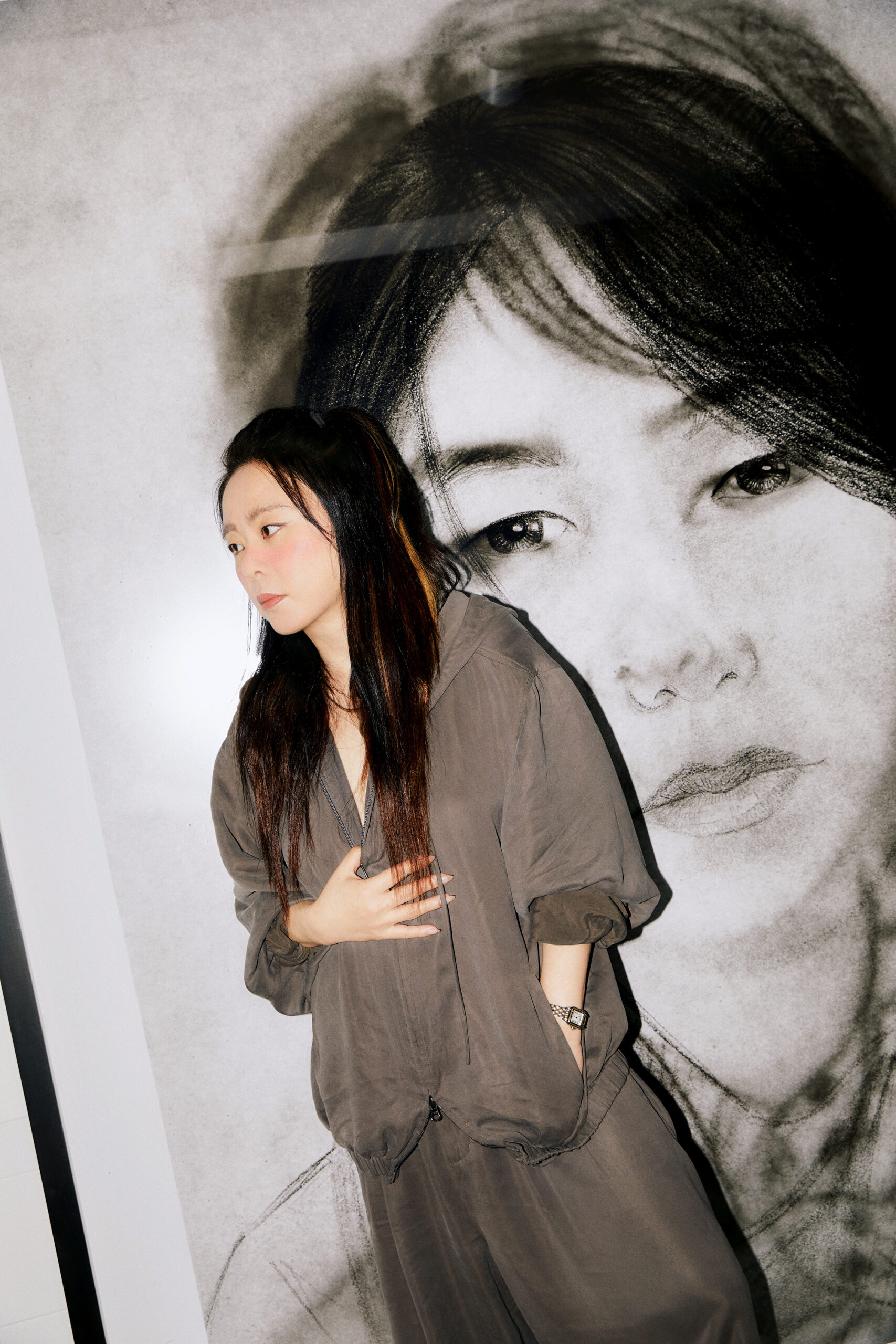
Nikki S. Lee’s name carries a strange currency in the Korean art world, sparking instant recognition but also a sense of enduring mystery. After all, Lee’s breakout series, Projects (1997–2001), which began as a graduate-school project and was first exhibited while she was in her twenties and living in New York, saw the artist assume the guise of over a dozen of characters as she descended into different US subcultures, photographing herself amid drag queens, punks, skateboarders, strippers, and other communities mostly on the fringes of society. The series catapulted Lee to international stardom, while establishing her as something of an enfant terrible, all while raising a question that was never really answered: Who is the “real” Nikki S. Lee? Her mystique deepened in the aughts when Lee, whose work is so preoccupied with what it means to belong, chose to walk away from the New York art world entirely.
I encountered Lee and her art for the first time through a part-time job. In 2013, as an undergraduate art history student, I worked as a gallery guide at one of her solo exhibitions in Seoul, where she has long been based. Day after day, I stood among her large-scale prints, reciting information to visitors while observing how they responded—some with recognition, some with confusion, and others with quiet reverence. By then, series such as Projects, Parts (2002–5), and Layers (2008) had already cemented Lee’s reputation. For Korean students of photography and visual art, she was foundational. Unlike many contemporaries whose imagery was geared toward geopolitical history, political activism, or typical national narratives, Lee’s gaze turned inward, exploring identity as something performative, fluid, and unresolved. Her reputation as an artist who was even more famous overseas made her career particularly fascinating.